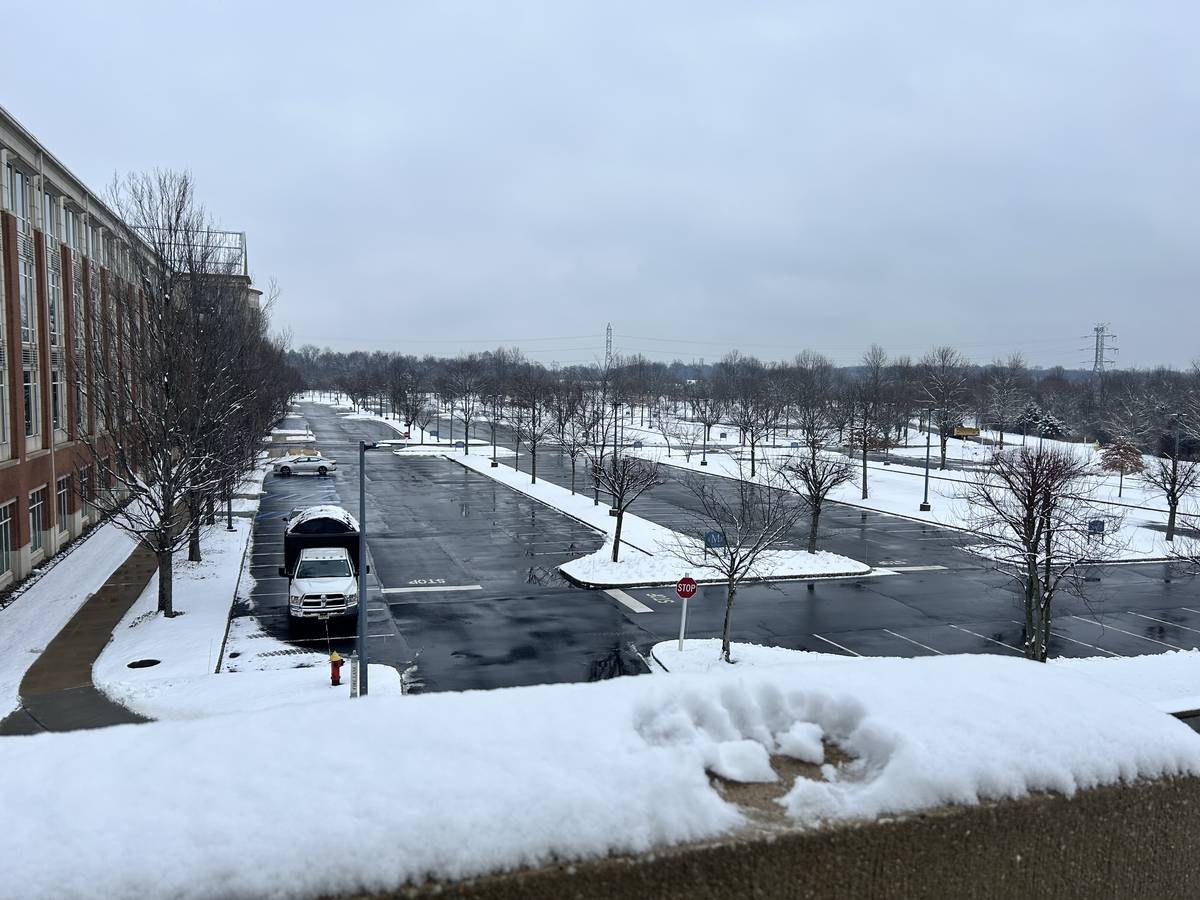
Commercial Snow Removal Company in Roxbury Township, NJ
Winter is when a property manager's phone rings hardest. Fullerton Grounds Maintenance clears, treats, and documents commercial sites across New Jersey so the 6 a.m. calls stop being about your parking lot.

Cleared Before Business Hours
Documented Every Storm
Same Team, Same Site

Winter Is When Property Management Gets Loud
In winter, a cleared and treated lot is what keeps tenants open and the property running on schedule.
Fullerton Grounds Maintenance has handled commercial snow for decades and is a member of the Snow & Ice Management Association. Sites get assigned to crews before the season, not dispatched to whoever is available when it starts falling.
Commercial Snow Removal Services
-
Parking lots, drive aisles, service drives, and loading areas cleared to defined trigger depths and staged so the piles do not reduce parking spaces.
-
Walkways, entrances, stairs, ramps, and building perimeters cleared by trained personnel.
-
Salt and ice control product applied to pavement and walkways, with rates adjusted for surface temperature rather than applied at one rate all winter.
-
Anti-icing ahead of a forecast event to keep the first accumulation from bonding to pavement, which make the removal process more efficient and cost effective.
-
Removal and relocation of piles on sites where a long winter has taken away parking spaces, sightlines, or drainage paths.
-
Forecast tracking before each event and service records after it.
.jpeg)
Our Approach to Snow
01
Step 01
Walk the Site in the Fall
Fullerton Grounds Maintenance maps the property, identifies priority areas, marks hazards, documents existing damage and drainage problems, and determines where snow can be staged.
02
Step 02
Agree on Triggers and Pricing
You approve trigger depths, service sequence, and a contract structure that fits your budget.
03
Step 03
Get Through Winter
Crews run the plan, you get service records, and you spend less time on the phone.

Northwest New Jersey Gets a Different Winter
A storm that drops two inches in Middlesex County can drop six across the higher ground in Morris and Hunterdon Counties, and the changeover line between rain and snow frequently sits somewhere in between. A manager with sites on both sides of that line cannot run one plan.
Fullerton Grounds Maintenance is based in Kenvil and has crews working both the northwestern hill country and the flatter, milder southern and coastal parts of the service area. Trigger depths, salt rates, and start times are set per site rather than off one forecast for the state.
Contracts Get Written Before the Season, Not During It
Snow pricing structures differ by how much risk a property wants to carry. Per-event, per-inch, seasonal, and time-and-materials arrangements each make sense for different budgets, and the right answer depends on whether a client can absorb a heavy year or needs a fixed number to plan against it.
Fullerton Grounds Maintenance walks through the tradeoffs during the proposal rather than after a bad storm. Scope, trigger depths, service priorities, and who gets called first all get settled in writing while there is time to settle them.

“Thank you to all the men that came out to Nolan’s Ridge in Mt. Arlington snow storm. Wow! You guys really did such an amazing job, working all through night and into morning hours. Your hard work through the snowy hours was very noticed. No matter how much storm tested patience, you never backed down. Absolutely great work guys! I can’t begin to express enough appreciation to each of you. Thank you!”
Becky L., via Google Reviews
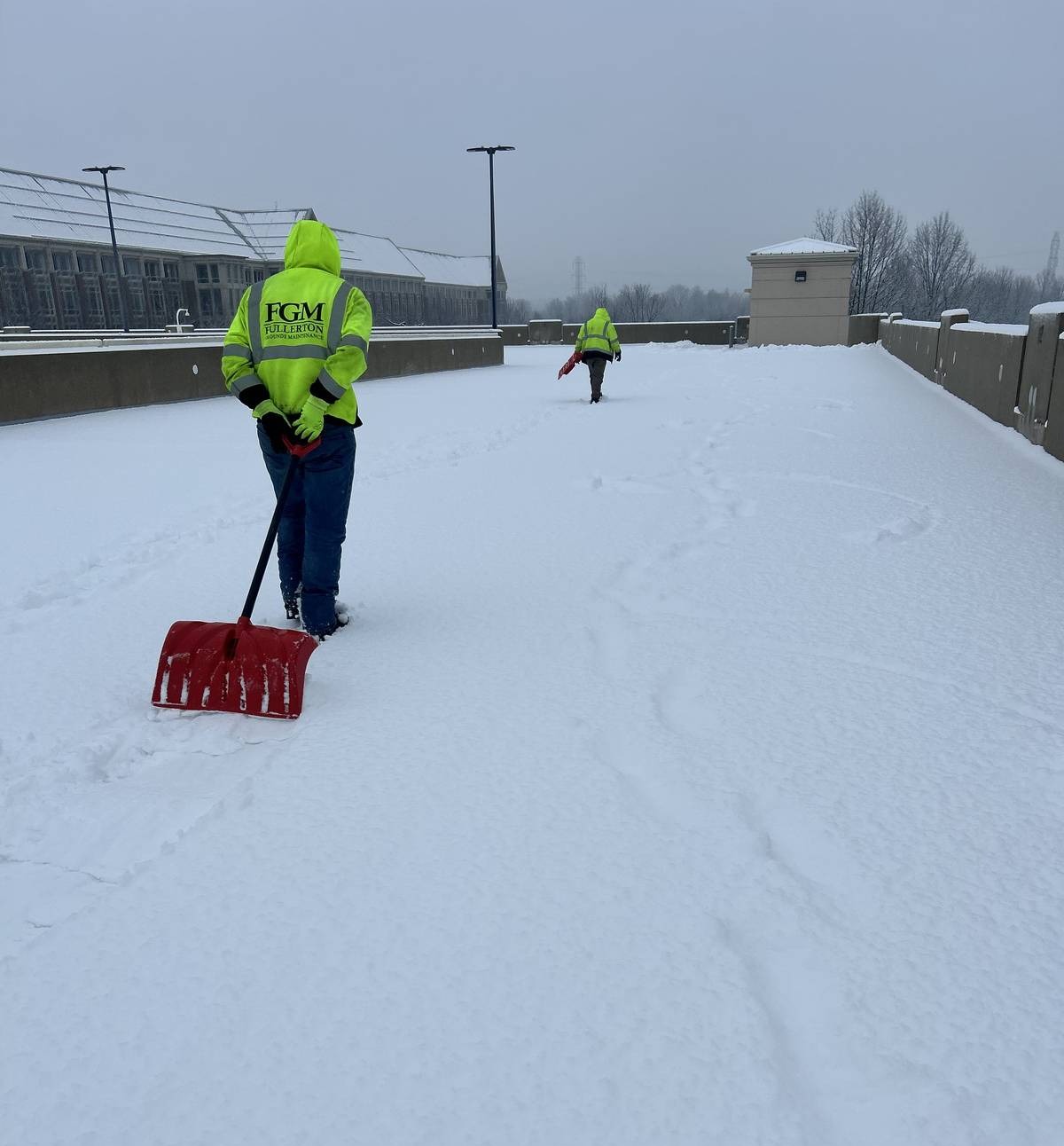
Frequently Asked Questions
-
Most commercial contracts set the trigger between one and two inches, with hospitals, medical offices, and 24-hour facilities often running lower. The trigger is agreed in writing before the season so there is no debate at 4 a.m.
-
Crews work to have lots and walkways cleared ahead of a property's opening hours, which means starting overnight or during an ongoing storm on larger sites.
-
Application rates are matched to pavement temperature and event type. Properties near water features, sensitive plantings, or regulated areas can have alternative products specified in the scope.
-
Staging areas are identified during the fall walkthrough to keep piles out of parking and sightlines. When a season outruns the available space, hauling and relocation are quoted and scheduled as separate work.