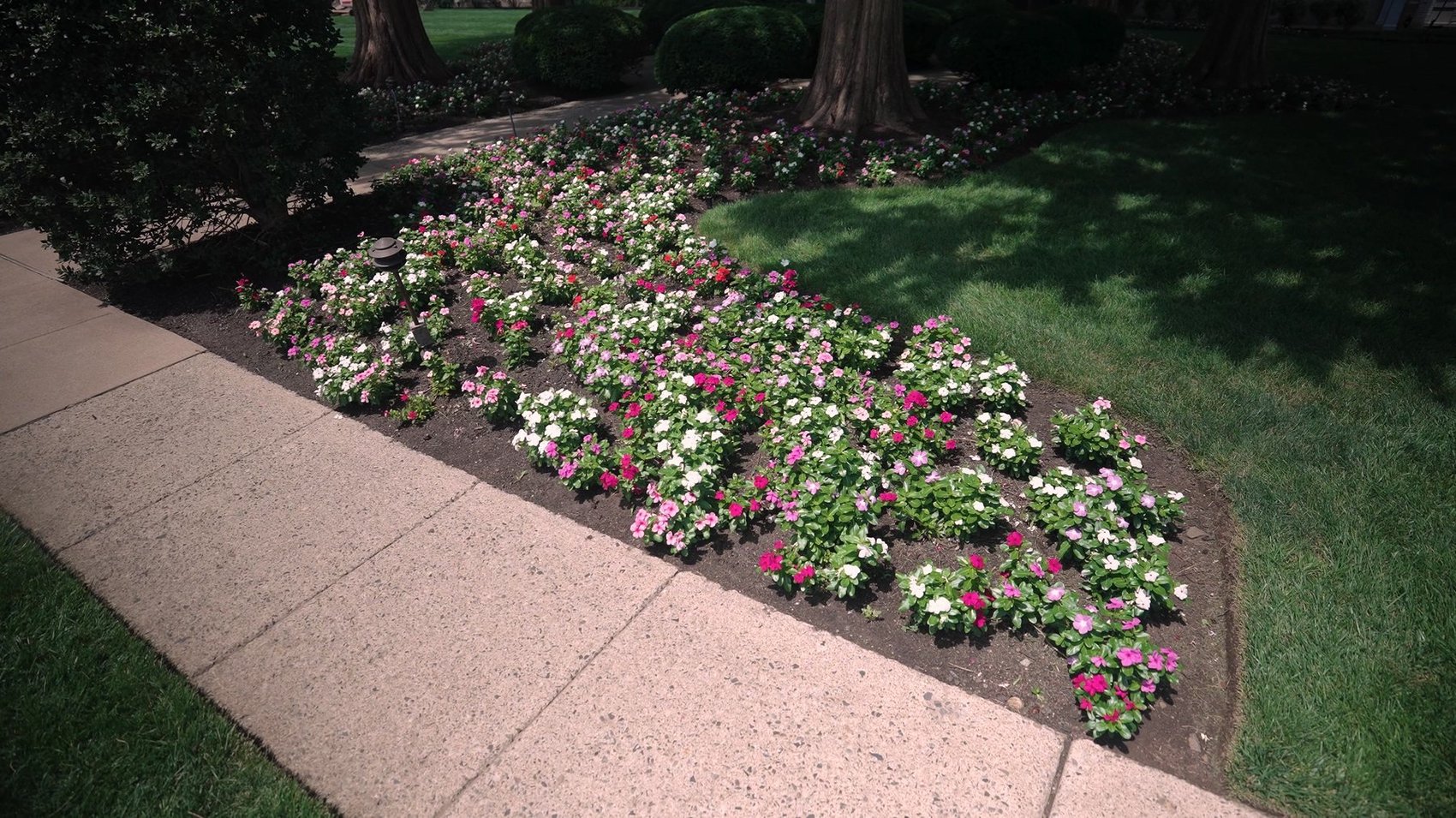
Commercial Planting Services in Roxbury Township, NJ
Plantings last longest when they are chosen for the site. Fullerton Grounds Maintenance installs trees, shrubs, and beds selected against the exposure, soil, and traffic they will face.
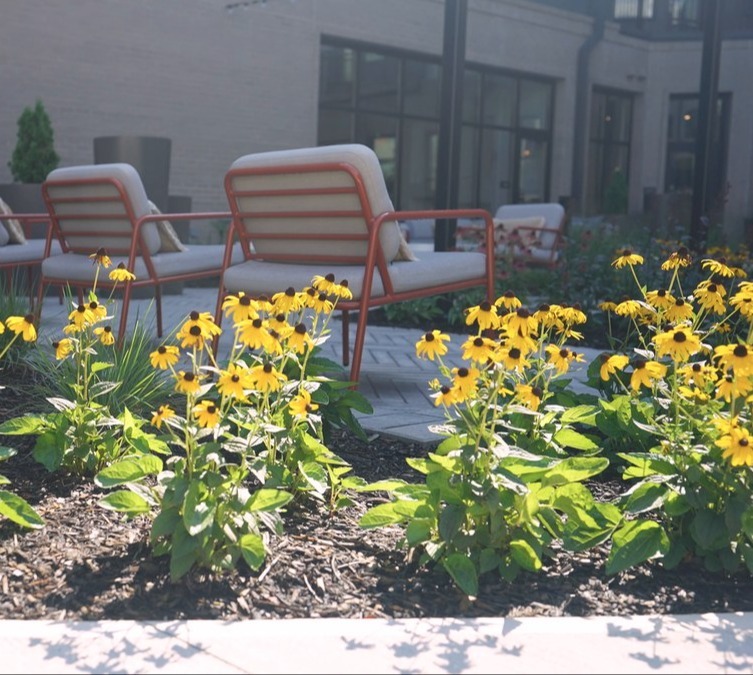
Right Plant, Right Place
One-Year Plant Warranty
Cared For After Installation

The Plant List Is Where Projects Are Won or Lost
Commercial landscape installation fails in predictable ways. Sun-loving material goes into a north-facing foundation bed. Salt-sensitive shrubs go along a walkway that gets treated all winter. Something that wants drainage goes into clay that holds water for three days after a storm.
Two seasons later the property is buying the same plants again. Species selection done against the real conditions on site is the cheapest part of the job and the part that determines whether the rest of it lasts.
Softscape Installation Services
-
Shade, ornamental, and evergreen trees sourced at appropriate caliper, planted at correct depth, and staked only where the site requires it.
-
Building perimeters, entrance beds, and screening plantings designed for mature size so they are not being cut back to nothing in year four.
-
Mixed plantings with layered bloom timing so the bed has something happening across the season rather than three good weeks in May.
-
Screening buffers, roadway frontage, detention basin edges, and campus-wide installations handled with the equipment and crew size the scale requires.
-
Rain gardens, pollinator and butterfly plantings, and native installations for properties with stormwater requirements or sustainability commitments.
-
Sod, hydroseeding, slice seeding, and topsoil work to establish or rebuild lawn areas after construction or failure.

How Planting Projects Are Planned
01
Step 01
Read the Site
Exposure, drainage, soil, salt, traffic, and deer pressure get assessed before a single species is proposed.
02
Step 02
Review the Plan and Plant List
You see what is going where, why it was chosen, and what it will look like at maturity, with pricing and phasing options.
03
Step 03
Install and Establish
Crews install, set up establishment watering, and monitor the material through the warranty period.

Entrance and Streetscape Renovations
The highest-return planting project on most commercial properties is the smallest one: the entrance. A monument sign surrounded by overgrown junipers from 1998 sets the impression for everything behind it.
Entrance renovations are contained in scope, quick to install, visible from the road, and easy to justify to ownership or a board. They are often the smartest first project when a budget will only stretch to one.
What Happens After the Plants Go In
Plant material is typically warrantied for up to one year unless the contract says otherwise. That warranty is worth more when the company holding it is also on the property every week.
New plantings need establishment watering, and the first season decides survival. Where irrigation coverage does not reach, supplemental watering gets built into the scope, and bed maintenance and plant health care pick the material up from there.

“Fullerton provides services for a number of our mutual clients. Kim and the team provide a good quality service for lawn, landscaping and snow removal.”
Patrick D., via Google Reviews
Frequently Asked Questions
-
Fall is the strongest window for most trees and shrubs, since roots establish while top growth has slowed and the plant faces cool, wet conditions rather than July. Spring works well too. Midsummer installation is possible but demands committed watering.
-
Plant material is generally warrantied for up to one year unless otherwise agreed in the contract.
-
Salt-tolerant species such as northern bayberry, inkberry, switchgrass, and little bluestem hold up along winter-treated edges. Choosing them for those beds, rather than treating the whole property as one planting zone, is what stops the annual replacement cycle at the curb line.
-
New material generally needs deep, regular watering through the first full growing season. Where irrigation does not cover the planting area, supplemental watering should be written into the scope rather than assumed.
-
Yes, but summer is the hardest time of year for new plant material to establish. Heat and dry stretches stress roots before they have grown into the surrounding soil, so a summer planting needs deep, regular watering from the day it goes in. If the irrigation system doesn't cover the bed, supplemental watering should be written into the scope. For large installations or sites with no water access, it usually makes sense to wait for fall, when cooler temperatures and steady rainfall give plants a better start.