<img height="1" width="1" style="display:none" src="https://www.facebook.com/tr?id=966690295757178&amp;ev=PageView&amp;noscript=1">
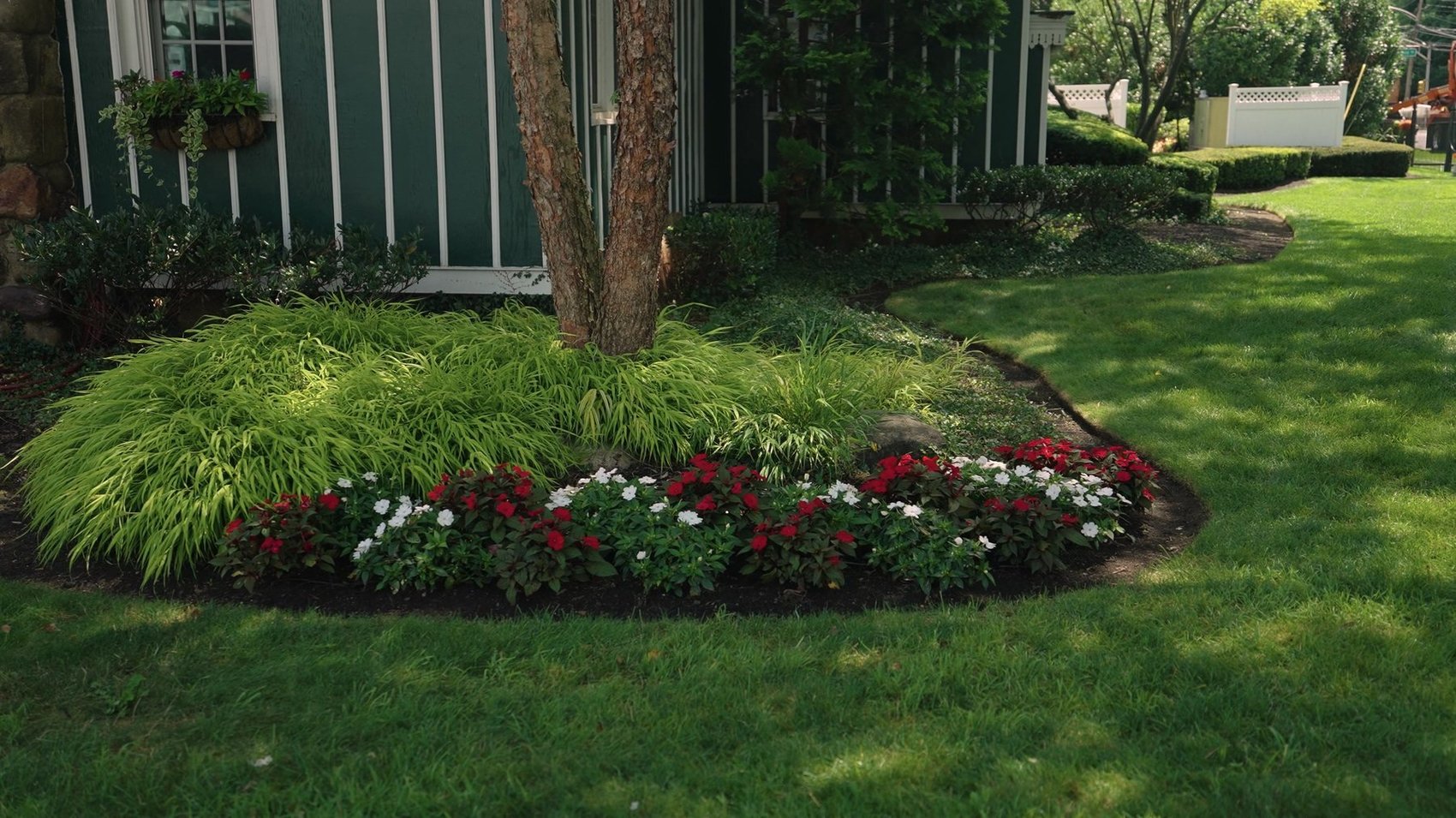
Japanese forest grass and annuals around a tree bed by Fullerton Grounds Maintenance
Catch Pests and Disease Early, While Treatment Is Simple

Commercial Outdoor Pest Control

Landscape pests and disease rarely announce themselves. Fullerton Grounds Maintenance runs a dedicated Integrated Pest Management division that monitors commercial properties across New Jersey and treats problems at the point where treatment still works.
Monitored, Not Blanket Sprayed

NJ State-Licensed Supervision

Fewer Plant Replacements

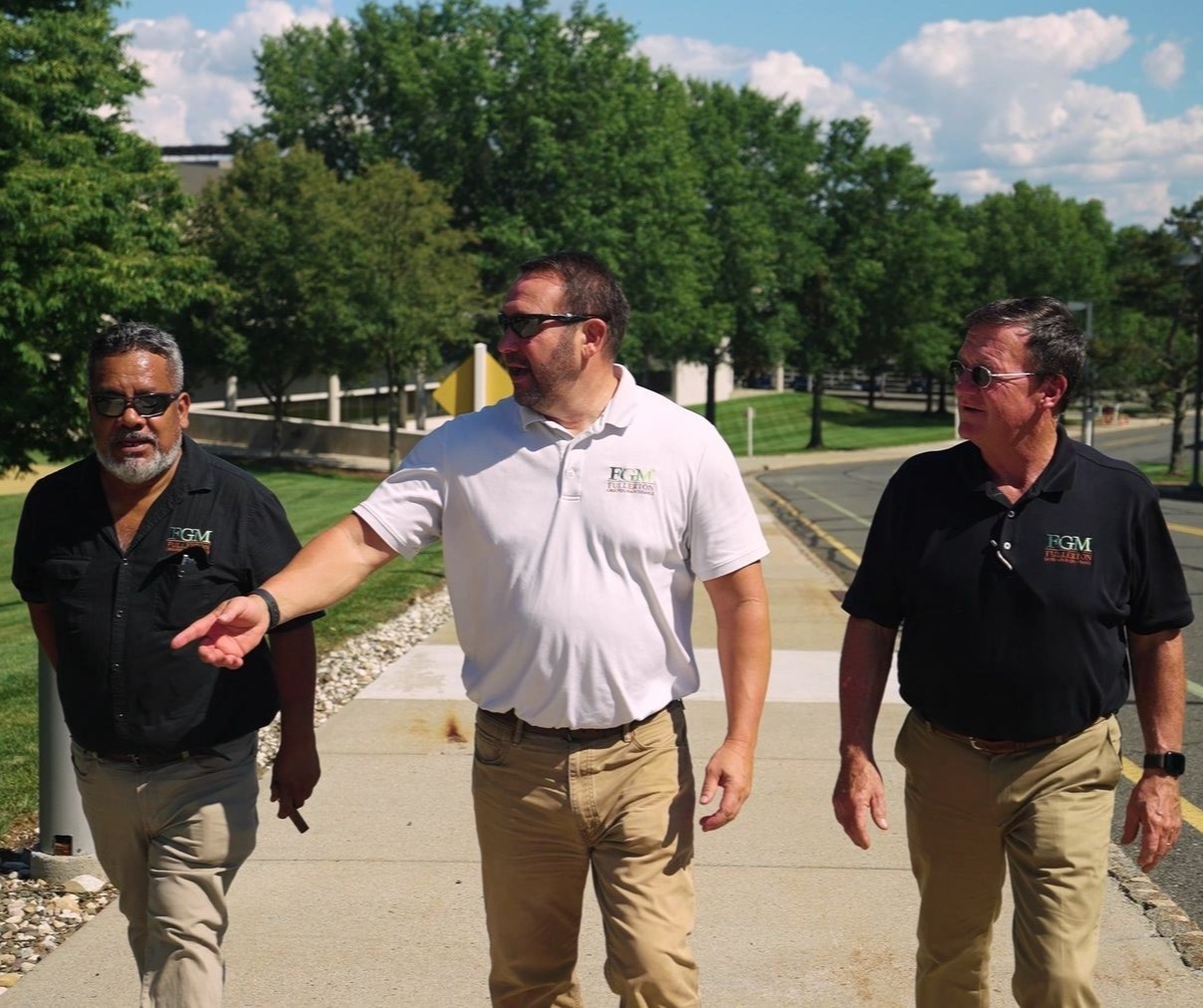
Fullerton Grounds Maintenance team walking a client property on a site visit

Integrated Pest Management Instead of a Spray Schedule

A blanket approach applies the same product to every property on the same day, whatever is happening on site. It costs less per visit, but it treats problems that do not exist and can miss the ones that do.

Integrated Pest Management inverts that. Crews and horticultural staff monitor plant material and turf, identify the specific pest or pathogen, and treat only where a threshold has been crossed. Less product goes down, and it goes down where it matters.

What the IPM Division Monitors and Treats

  • White grubs, chinch bugs, sod webworm, and billbugs, caught through scouting rather than diagnosed after the turf has already pulled up like carpet.
  • Scale, aphids, mites, bagworms, borers, and lace bugs on the ornamental material where an infestation gets expensive fastest.
  • Leaf spot, anthracnose, powdery mildew, brown patch, dollar spot, and the summer patch pressure that follows a humid New Jersey stretch.
  • Spotted lanternfly, emerald ash borer, and other regional invasives that require monitoring on properties with significant tree canopy.
  • Repellent applications on a rotation through browse season, plus recommendations on replacement material where pressure is constant.
  • Targeted control in planting beds, along fence lines, and in pavement cracks and curb joints where hand pulling never keeps up.
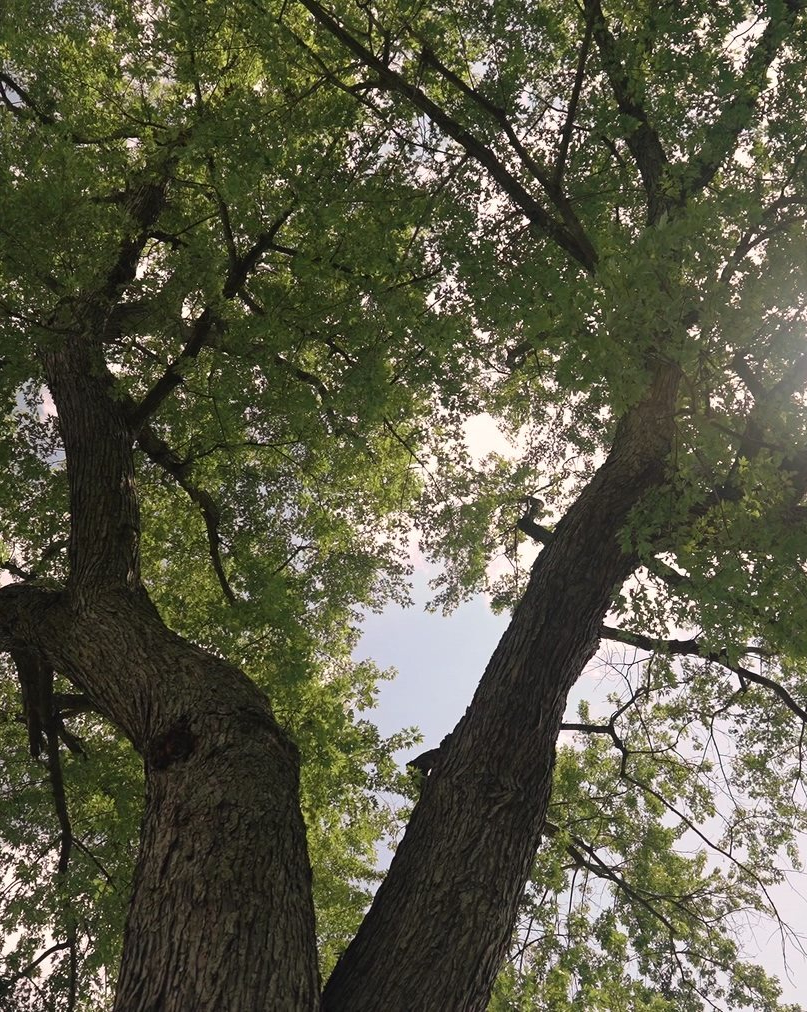
Looking up into a mature tree canopy on a hotel property maintained by Fullerton Grounds Maintenance

How Monitoring Works

Step 01

Establish a Baseline

Fullerton Grounds Maintenance inventories the plant material, notes existing damage, and identifies which species on the site carry the most risk.

Step 02

Scout Through the Season

Crews and horticultural staff check high-risk material on a rotation and log what they find.

Step 03

Treat at Threshold

When a pest or pathogen crosses the point where damage becomes likely, treatment is applied, documented, and reported back to you.

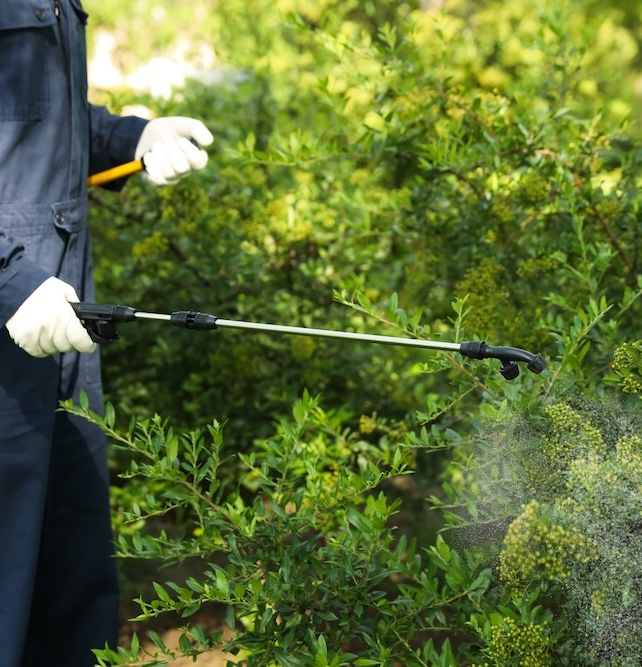
A landscaper treating bushes with pest control spray

Licensed, Supervised, and Handled In-House

When chemical treatment is required, application is supervised by in-house NJ state-licensed experts. Fullerton Grounds Maintenance keeps pesticide application with the team that already knows the property.

On sites with residents, tenants, patients, students, or congregants on the grounds during service hours, that control matters. Product selection, application timing, and posting are handled by the same in-house team that scouts the site.

Environmental stewardship runs through the same division: recycling and repurposing where practical, and chemicals used as the option of last resort rather than the default.

What Early Detection Is Worth

A scale infestation caught in spring is a treatment. The same infestation found in September is a dead hedge row, a removal bill, a replacement bill, and a property that looks bad until the new material fills in.

Because Fullerton Grounds Maintenance crews are already on site for routine grounds maintenance, monitoring happens continuously rather than waiting on a separate scheduled inspection.

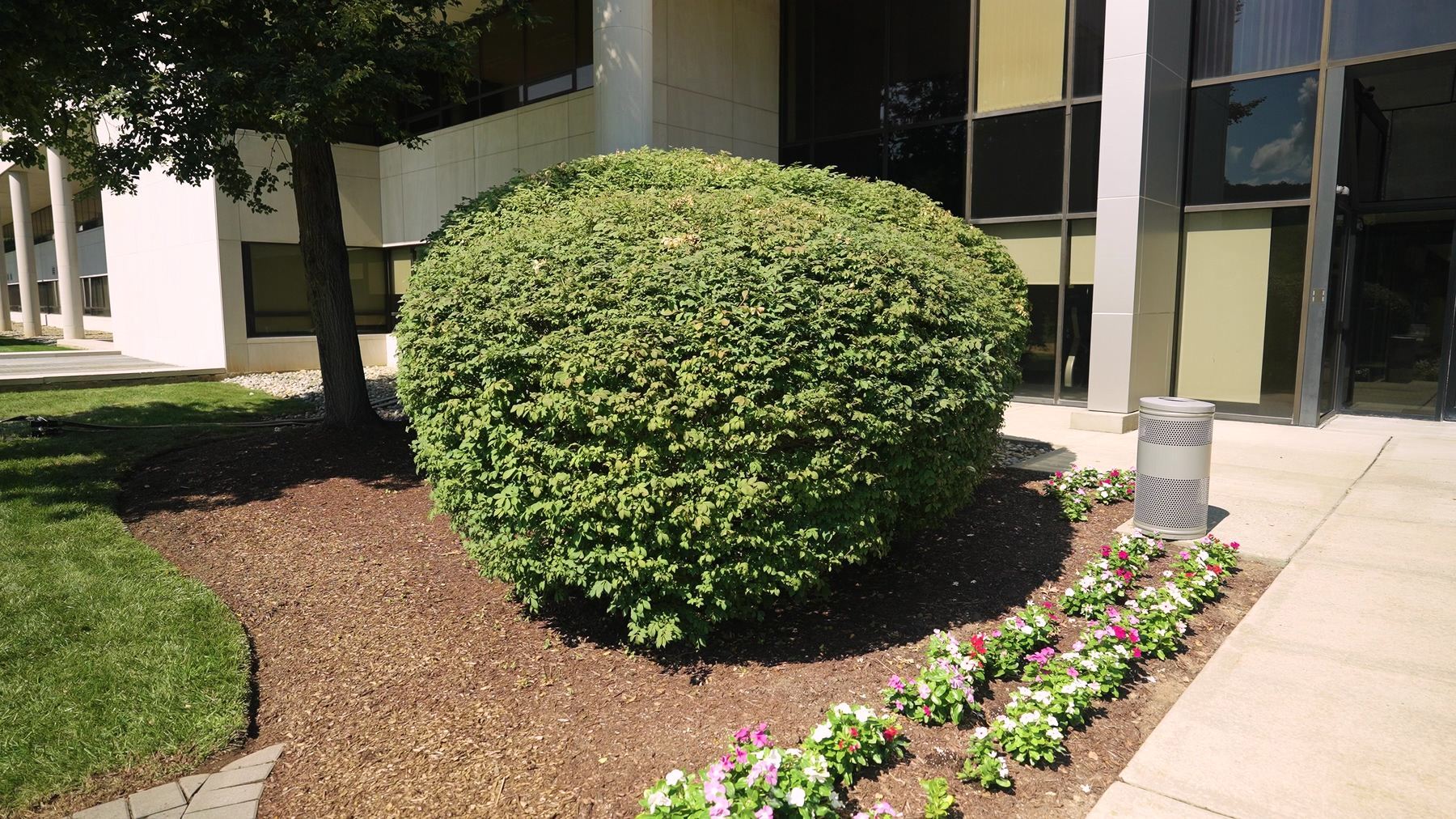
Rounded shrub in a mulched bed with annuals by Fullerton Grounds Maintenance
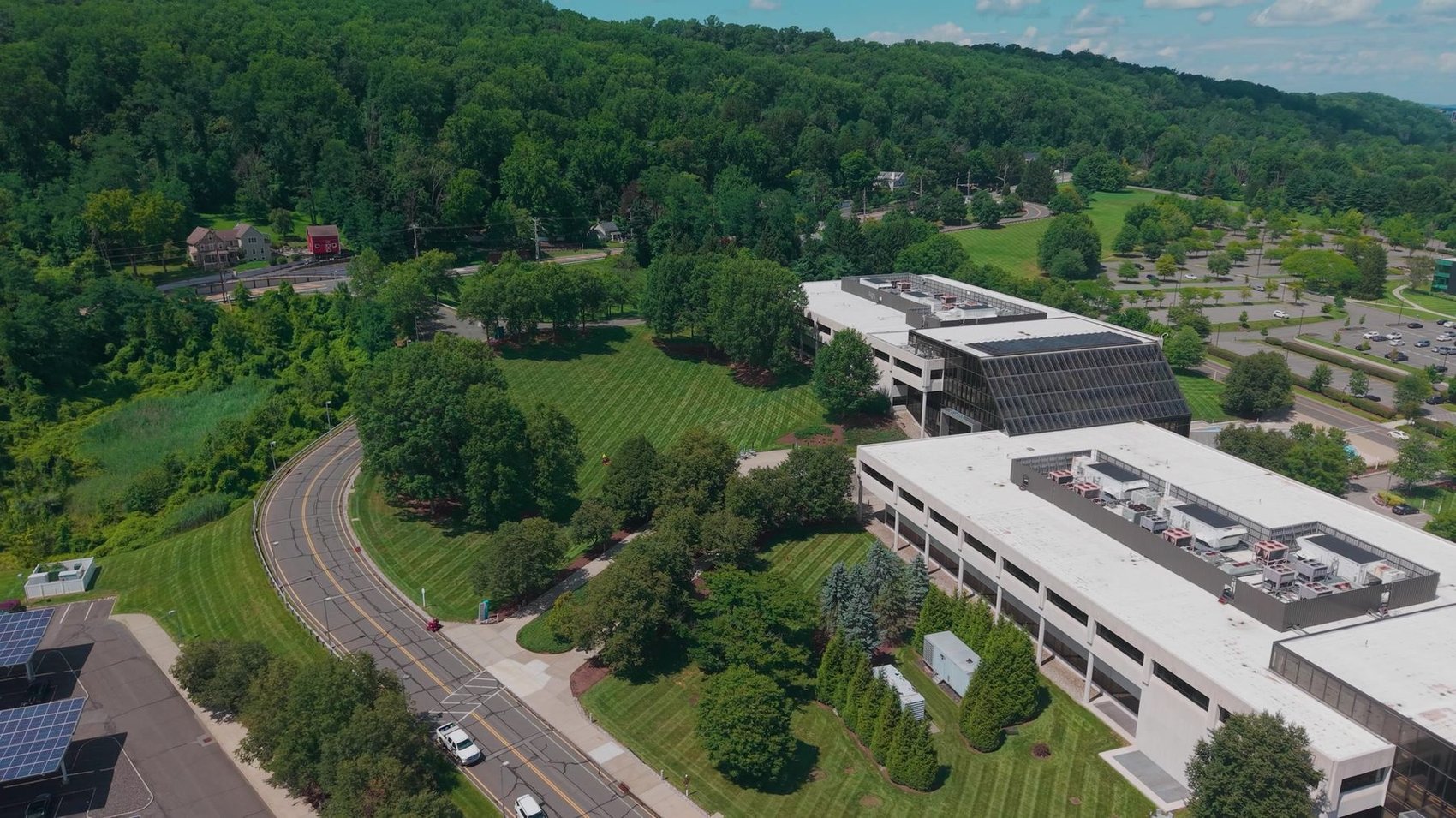
Aerial view of a wooded office campus maintained by Fullerton Grounds Maintenance

“Excellent service and work. Crews are respectful and friendly. Pleasure doing work with FGM.”

Sue D., via Google Reviews
Frequently Asked Questions

  • IPM means monitoring first and treating second. Staff scout the site, identify the specific pest or disease, and apply treatment only where damage thresholds are crossed, using cultural and mechanical controls where they will do the job instead of chemicals.
  • Applications are supervised by in-house NJ state-licensed experts, scheduled around building use where possible, and posted according to state requirements. Product selection accounts for who is on the grounds and when.
  • Grub damage shows first as irregular wilting that does not respond to water, often with increased bird, skunk, or raccoon activity tearing at the turf. Confirmation comes from cutting a small section and counting grubs per square foot.
  • Management focuses on removing tree of heaven where it is present, monitoring host trees through the season, and treating high-value specimens. Eradication is not realistic in New Jersey, so the goal is protecting the material that matters on your site.
  • Fullerton Grounds Maintenance works to return calls and emails within 24 hours. Once a problem is reported, a horticultural staff member evaluates it and you get a diagnosis and a recommendation rather than an immediate application.
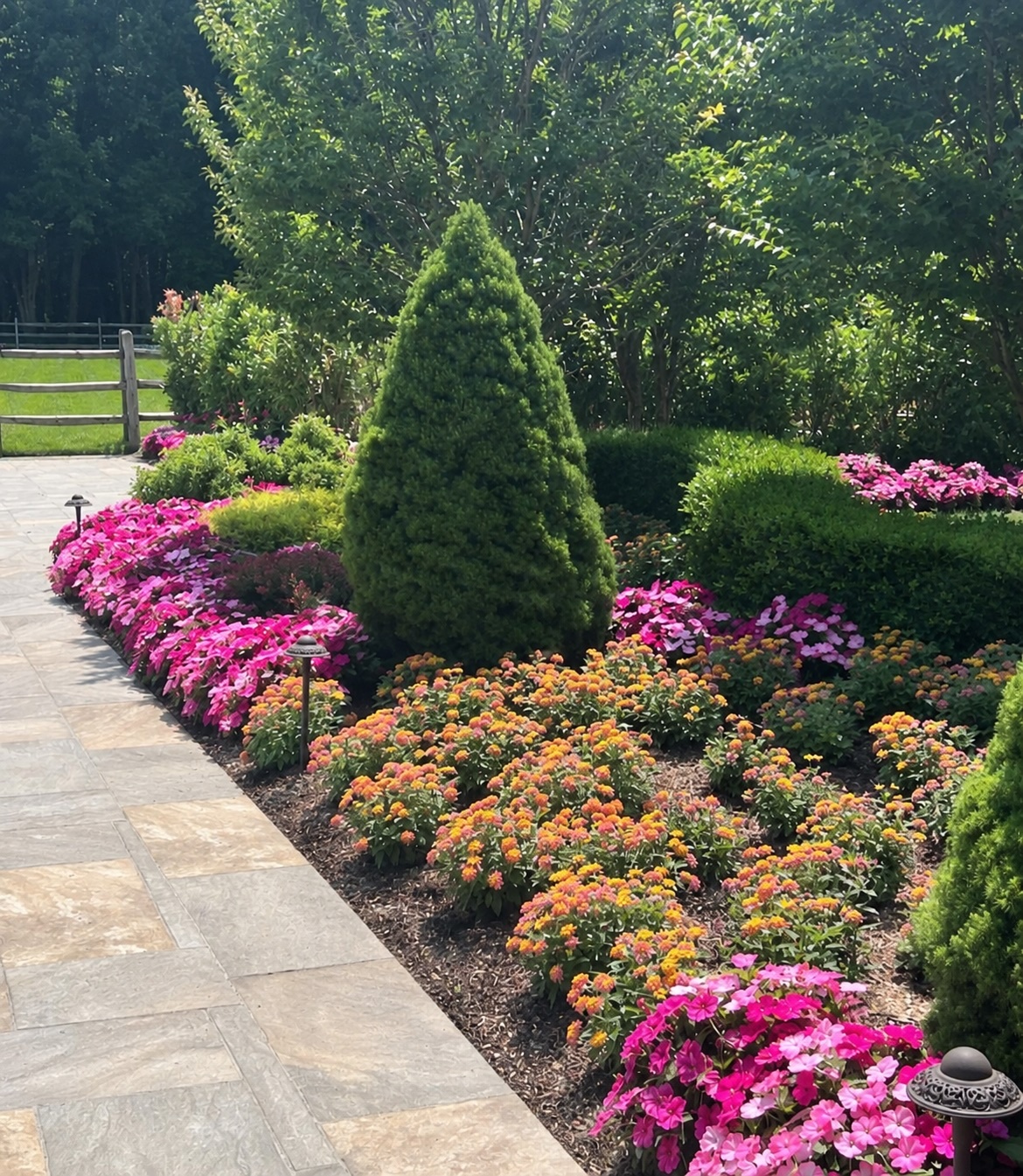
Pink and orange annual beds around a sculpted evergreen at Villa Marie Claire by Fullerton Grounds Maintenance
Tree form hydrangea in a pink impatiens bed by Fullerton Grounds Maintenance

Commercial Landscape Pest Control Across Northern and Central New Jersey

Fullerton Grounds Maintenance has protected plant material on commercial properties in Morris, Essex, Union, Middlesex, Monmouth, Hunterdon, and Mercer Counties since 1994. Schedule a walkthrough and get your site scouted before something on it starts dying.