Commercial Plant Health Care and Bed Maintenance in Roxbury Township, NJ
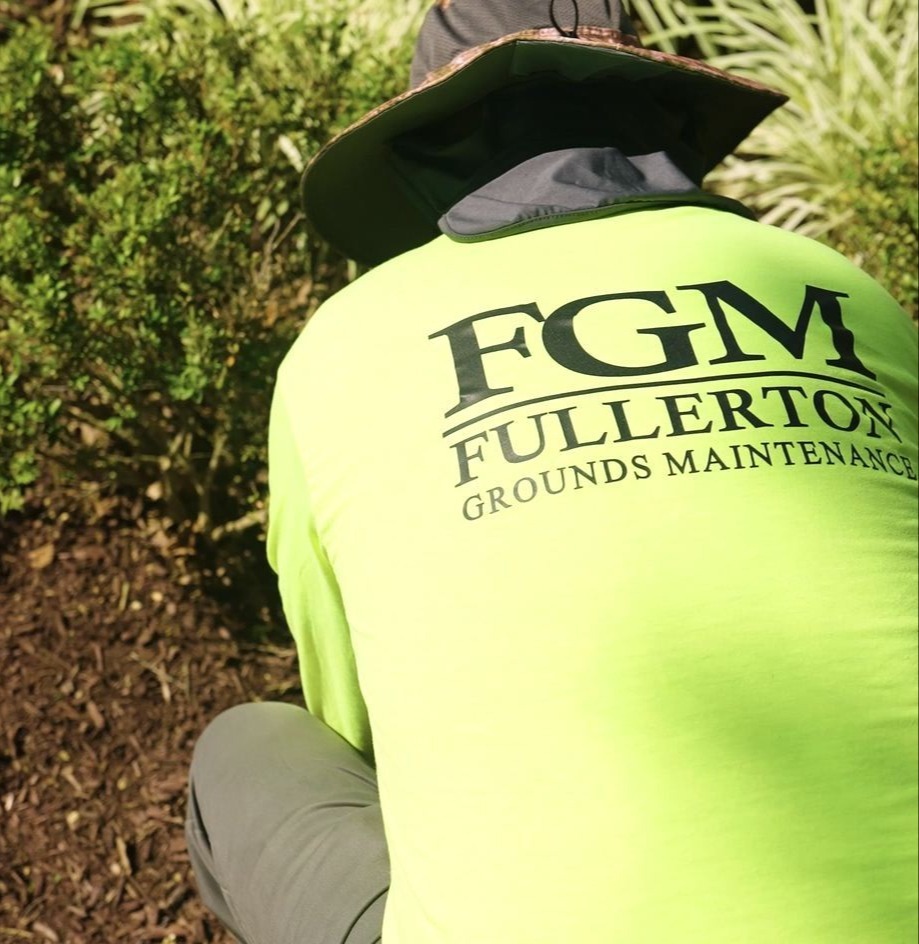
Landscape beds are the closest thing on a property to a signature. Fullerton Grounds Maintenance keeps them weeded, edged, mulched, pruned, and healthy so the entrance in September looks like the entrance in May.

Clean Edges All Season
Plants That Stay Alive
Fewer Emergency Replacements

Beds Are What People See at the Door
Turf gets judged from a distance. Beds get judged from three feet away, by someone waiting to be buzzed in.
A weedy foundation planting, mulch that washed out in April, or a shrub row pruned into boxes reads as neglect faster than anything happening out on the lawn. Commercial bed maintenance keeps those areas under control on a schedule, and plant health care keeps the material in them worth maintaining.
What Commercial Bed Maintenance Covers
-
Scheduled hand weeding and targeted treatment through the season, timed so beds stay ahead of the point where clearing them becomes a project.
-
Crisp spade or mechanical edging at bed lines, with mulch installed at proper depth to hold moisture and suppress germination rather than piled against trunks.
-
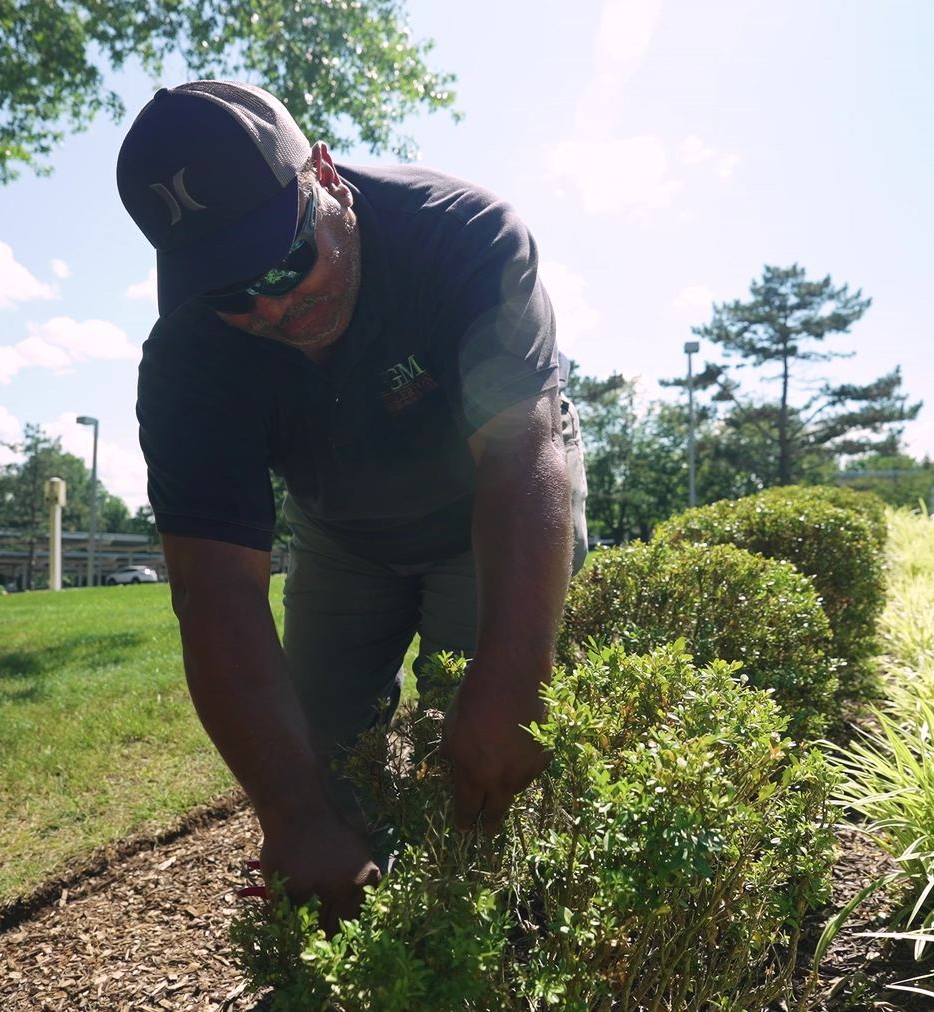
Shrubs and ornamentals pruned on the right schedule for the species, which means flowering material keeps flowering instead of getting sheared at the wrong time of year.
-
Deadheading, cutting back, dividing, and seasonal cleanup that keeps perennial plantings from collapsing into themselves by August.
-
Annual and bulb displays installed and changed out across the year, coordinated with seasonal landscape services when a property runs full rotations.
-
Failed or declining material identified, quoted, and replaced with species suited to the exposure that killed the last one. Replacement material carries FGM's plant warranty of up to one year.

How Bed Programs Are Scoped
01
Step 01
Inventory the Plantings
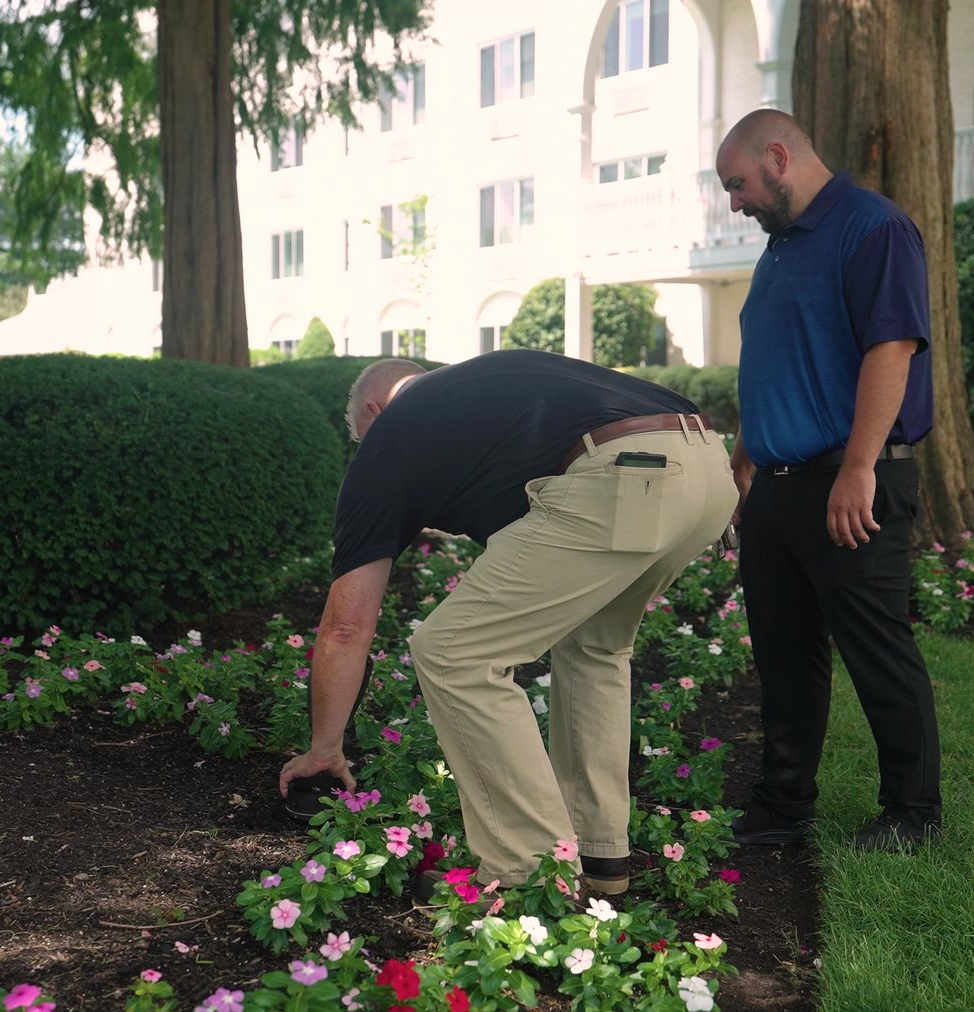
Fullerton Grounds Maintenance walks the beds, notes what is thriving, what is struggling, and what was planted in the wrong place to begin with.
02
Step 02
Set the Maintenance Calendar
You get a schedule for weeding, edging, mulch, pruning windows, and any plant health treatments the material needs.
03
Step 03
Maintain and Report
Crews work the schedule and flag declining plants early, while there is still a treatment option cheaper than replacement.

Plant Health Care Goes Past Appearance
Trees and shrubs on a commercial site are usually the most expensive living thing on the property and the slowest to replace. A twenty-year specimen at a main entrance is not a line item you want to replace.
Plant health care covers fertilization matched to the plant and the soil, insect and disease monitoring through the Integrated Pest Management division, supplemental watering during establishment and drought, and deer repellent application where browse pressure is taking material down.
Treatment decisions are made by staff with horticultural training, and NJ state-licensed experts supervise application when chemical treatment is required.
Deer Pressure in Morris and Hunterdon Counties
Properties along the wooded corridors of western Morris County and through Hunterdon County lose more plant material to deer than to any insect or disease. Yews, arborvitae, hostas, and daylilies get grazed to the stem, and replacing them with the same species restarts the cycle.
Fullerton Grounds Maintenance handles this two ways: repellent applications on a rotation through the browse season, and replacement recommendations that favor material deer tend to leave alone. It is usually cheaper to change the plant than to defend it indefinitely.

“Fullerton provides services for a number of our mutual clients. Kim and the team provide a good quality service for lawn, landscaping and snow removal.”
Patrick D., via Google Reviews
Frequently Asked Questions
-
Most New Jersey commercial properties need bed service every two to three weeks through the growing season. Stretching past that lets weeds set seed, which multiplies the work on every visit that follows.
-
Two to three inches is the working range. Deeper than that holds too much moisture against roots and starts shedding water instead of absorbing it, and mulch piled against trunks invites rot and rodent damage.
-
It depends on whether the shrub flowers on old or new wood. Spring bloomers like forsythia and lilac get pruned right after they finish; summer bloomers like panicle hydrangea and summer-blooming spirea get pruned in late winter. Shearing everything in June can disrupt the bloom cycles that provide a property with continuous color throughout the growing season.
-
Entrances concentrate reflected heat, salt spray from winter walkway treatment, foot traffic, and often the worst soil on the site. Repeated failure in one bed usually means the species is wrong for the conditions rather than the care being wrong.
-
Plant health care runs as its own program for properties that handle bed upkeep another way. Most clients combine the two because the crew doing the weeding is the one likely to spot a problem first.