Commercial Irrigation Company in Morris County, NJ
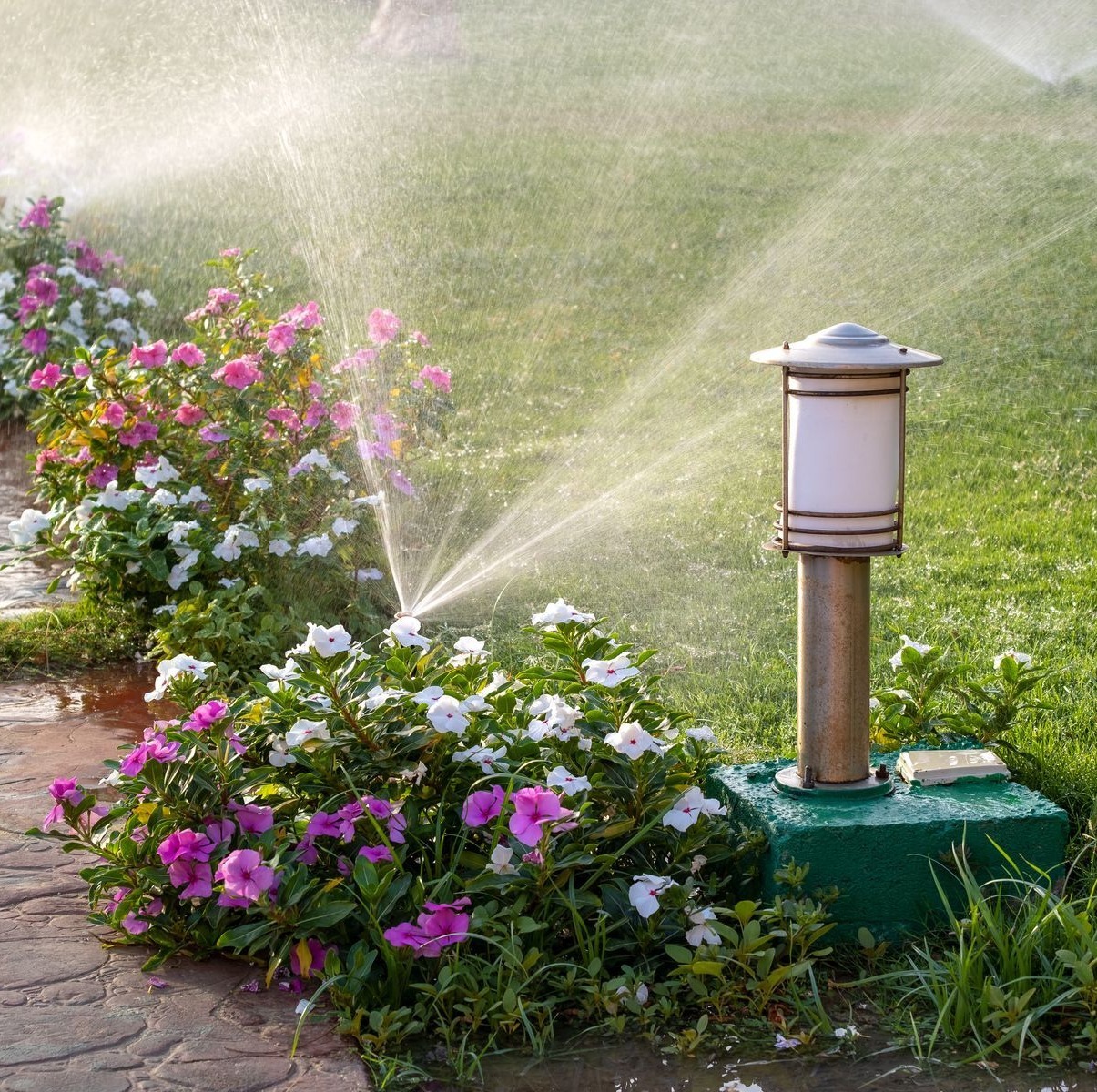
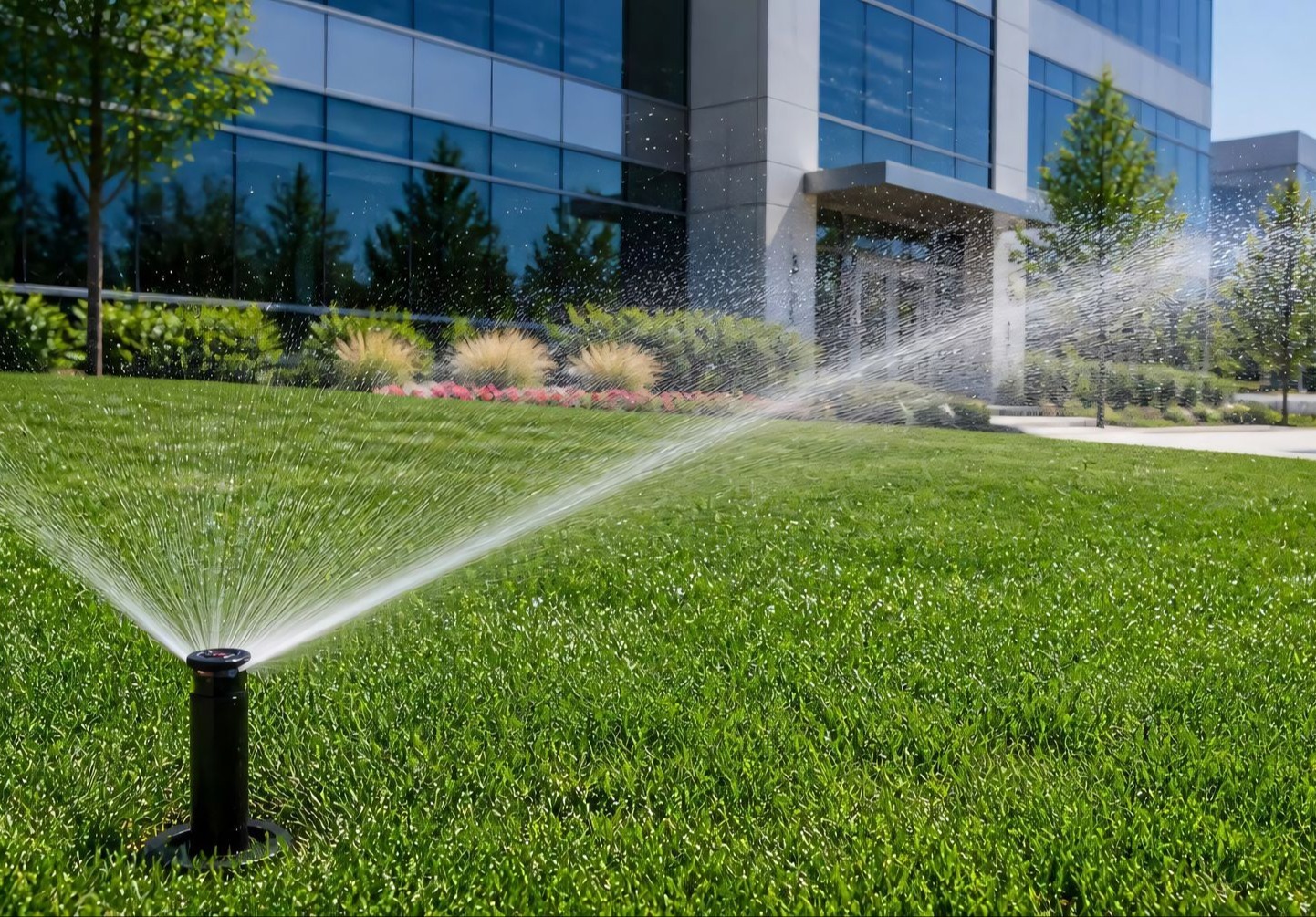
A misaligned head waters the sidewalk for twelve weeks before anyone reports it. Fullerton Grounds Maintenance inspects, repairs, and programs commercial irrigation systems across New Jersey so your water goes into the ground instead of down the curb.
Lower Water Bills
Healthier Turf and Plantings
No Surprise Spring Failures

A Broken Head Costs More Than the Water
Irrigation problems are expensive in three directions at once. The water itself shows up on a bill. The dry zone the system stopped covering shows up as dead turf you pay to renovate. And the wet zone it is overwatering shows up as fungal disease, root rot, and a soft spot that will not hold grass.
None of it is visible from a parking lot at noon. It gets found by someone who runs the zones and watches where the water lands.
Commercial Irrigation Services
-
Charging the system, walking every zone, checking coverage, and catching the damage winter did before the first dry week exposes it.
-
Scheduled zone checks through the growing season, because heads get hit by mowers, vandalized, buried by mulch, and clogged by debris after startup is over.
-
Broken heads, cracked laterals, failed valves, wiring faults, and solenoid replacement, handled by the same company that maintains the rest of the property.
-
Run times set by zone against soil, slope, and exposure, with smart and weather-based controllers configured so the system stops running through a rainstorm.
-
Adding zones for new plantings, reworking coverage after a renovation, and correcting layouts that were wrong the day they were installed.
-
Fall blowouts that clear the lines before the first hard freeze, plus backflow device service to keep the system compliant.

How an Irrigation Program Starts
01
Step 01
Run the System
Fullerton Grounds Maintenance activates every zone, maps coverage, and documents what is broken, misaligned, or missing.
02
Step 02
Review the Findings
You get a written list of repairs separated into what needs fixing now and what can wait for next season's budget.
03
Step 03
Set the Service Schedule
Startup, mid-season checks, and winterization get scheduled for the year so nothing depends on someone remembering to call.

Water Management When Budgets and Restrictions Are Both Tight
New Jersey has moved through drought watches and drought warnings in recent years, and commercial water rates have not gone the other way. Property managers get asked to keep sites green and cut consumption in the same conversation.
Commercial water management services target the gap between those two: correcting overspray, separating turf and bed zones that were plumbed together, adjusting run times by exposure instead of running one program site-wide, and installing rain and moisture sensors that stop cycles the landscape does not need.
The result is usually less water and better turf at the same time, because most overwatered sites are also unevenly watered.
Irrigation Coordinated With the Rest of the Property
When irrigation belongs to one vendor and mowing belongs to another, broken heads become an argument. The mowing crew says the head was already broken; the irrigation contractor says the mower hit it; the property manager gets two invoices and no fix.
Running irrigation through the same company that handles grounds maintenance and turf care removes that entirely. The crew that notices the dry zone reports it to the same company that repairs it, and one account manager answers for both.

“Fantastic super responsive group they keep the property where I work in such beautiful condition I had to call and ask to come take care of my property.”
Michael W., via Google Reviews
Frequently Asked Questions
-
Most systems come online between mid-April and early May, once the risk of a hard freeze has passed. Starting earlier risks damage to lines and backflow devices that are still vulnerable.
-
Blowouts should be completed before the first sustained hard freeze, which in Morris and Hunterdon Counties often arrives earlier than in the southern part of the service area. Most properties are winterized through October and into early November.
-
Monthly zone checks catch most problems while they are still small. Properties with heavy mower traffic, public access, or a history of vandalism benefit from a tighter schedule.
-
Watch for water running down curbs and into storm drains, consistently damp pavement near beds, moss or algae on walkways, soft spots in turf, and a water bill that climbs while parts of the lawn are browning out.
-
A weather-based controller reduces consumption on most properties, though the larger savings usually come from fixing coverage problems first. Installing smart control on a system with broken heads simply automates the waste.